
Benefits and FAQs
Matcha is known for its natural ingredients and traditional preparation. It is valued for its balanced flavor, vibrant color, and versatility, and has been enjoyed for centuries as part of daily rituals and mindful moments.
Benefits of Matcha
Packed with powerful antioxidants, boosts focus and concentration
Gentler on the body compared to regular caffeine
Supports a healthy metabolism, provides clean, balanced energy
Frequently Asked Questions (FAQ)
How should I store matcha?
Keep it in a cool, dark, and dry place. After opening, seal it tightly and store it in the refrigerator.
Can I use boiling water?
No. Boiling water will make matcha taste bitter. The ideal temperature is 70–80°C (160–175°F).
What types of milk can I use?
Almond, oat, soy, coconut, or regular dairy milk all work great. Oat milk is especially popular.
How many cups can I drink per day?
Typically 1–3 cups a day is fine. If you're sensitive to caffeine, drink less.
What should I do if my matcha isn’t getting frothy?
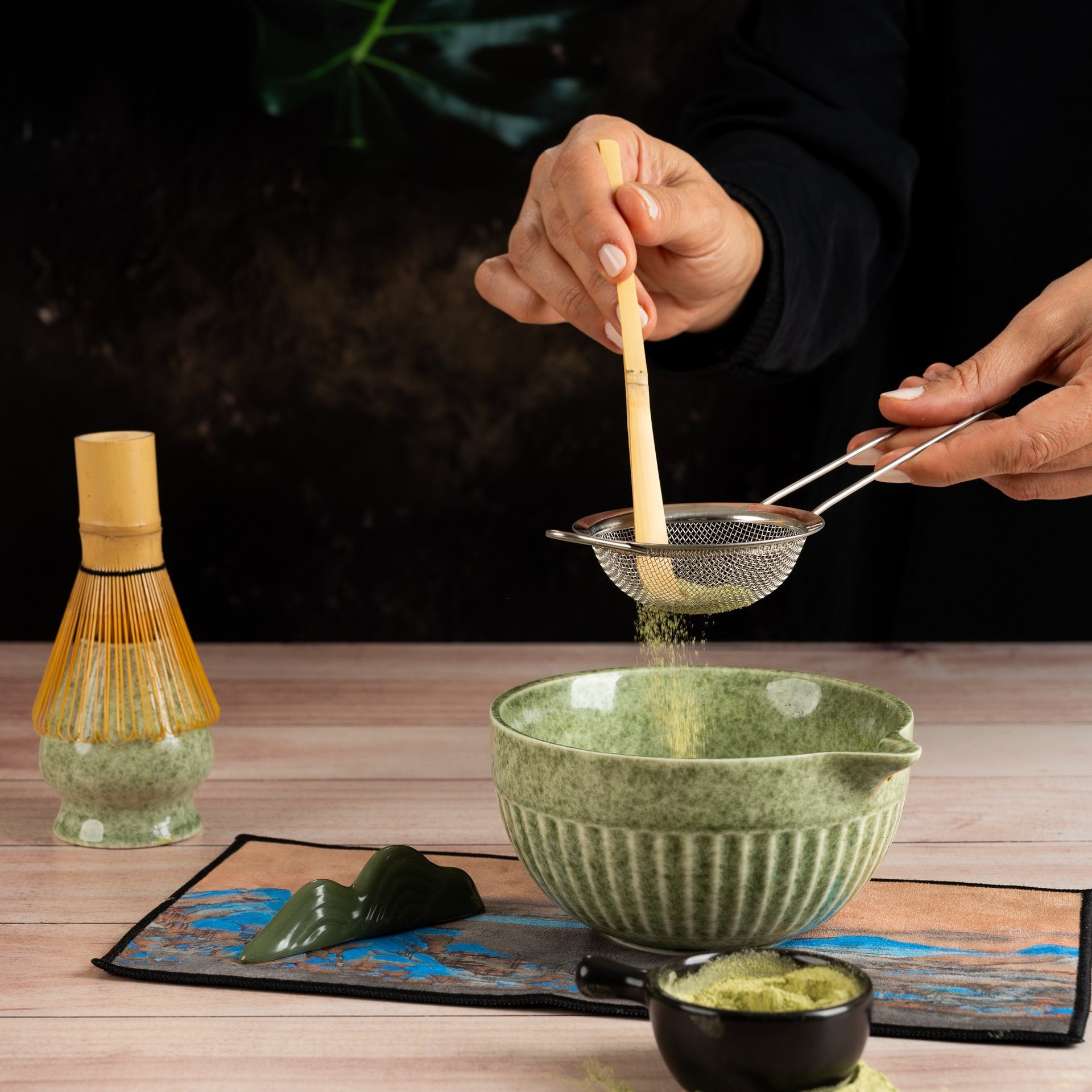
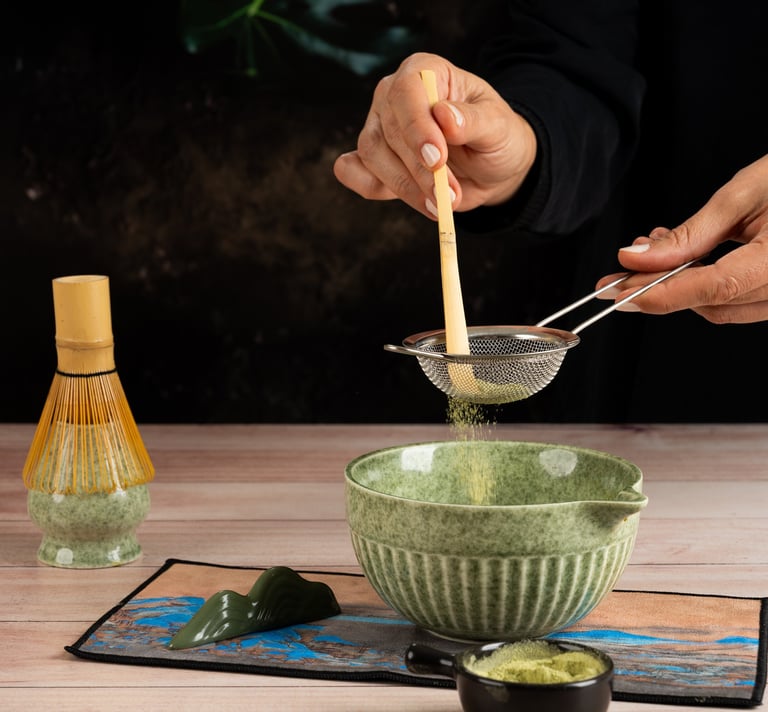
Always sift your matcha.
Avoid using water that’s too hot.
Whisk fast and strong in a “W” motion.
If your whisk tips are damaged, replace it or reshape/clean it on the whisk holder.
Is organic matcha better?
Organic matcha is a great choice for those who prefer pesticide-free tea. However, both organic and non-organic matcha can be high quality as long as they come from trusted farms in Japan.
What’s the ideal ratio for a matcha latte?
1–2 teaspoons matcha
2–3 tablespoons hot water (to whisk)
6–8 oz milk
Adjust for stronger or milder flavor.
Why does matcha taste different from brand to brand?
Flavor can change depending on harvest season, region, and how finely it’s ground. Higher-grade matcha is naturally smoother and sweeter, while lower-grade matcha tastes stronger and more earthy.
Eccospherely © 2025. All rights reserved.